PatientPunk
Millions of patients document their treatment experiences online. That data is invisible to researchers, dismissed as anecdote, and disappearing into forum threads. PatientPunk is infrastructure for turning it into structured, queryable research. This tool is intended to serve the long COVID community, rare disease communities, and others underserved by the current biomedical complex.
Research Samples
LLM generated output
Charts, statistical overlays, and axis labels generated automatically from pipeline output.
Analysis notebooks
Seven research questions across two patient communities, covering 10,000+ treatment reports.
01Treatment Overviewr/covidlonghaulers
LDN, magnesium, and electrolytes ranked highest by community sentiment. SSRIs ranked lowest.
Open notebook02POTS Preliminaryr/covidlonghaulers
POTS subgroup tries twice as many treatments and reports consistently worse outcomes than the broader cohort.
Open notebook03POTS Treatment Strategyr/covidlonghaulers
4–6 concurrent treatments is the empirical sweet spot. Core stack: electrolytes, magnesium, LDN, antihistamines.
Open notebook04Fatigue Treatmentsr/covidlonghaulers
LDN and magnesium lead outcomes for fatigue specifically. Findings consistent with the broader treatment analysis.
Open notebook05Negative Predictorsr/covidlonghaulers
Analysis of factors that predict worse treatment outcomes across the long COVID cohort.
Open notebook06PSSD Recoveryr/PSSD
Antihistamines show the strongest recovery signal, suggesting a neuroinflammatory mechanism.
Open notebook07PSSD Harm Profiler/PSSD
Sertraline and paroxetine associated with worst outcomes. Microdosing psilocybin helps; full-dose hurts. Same compound, opposite outcomes by dose.
Open notebookThe problem
Millions of patients with conditions like long COVID, PSSD, and ME/CFS are running real-world treatment experiments and documenting the results online. That data is invisible to researchers, dismissed as anecdote, and disappearing into forum threads. Clinical research cannot move fast enough to capture it. For many of these conditions, large trials may never happen.
Patient reports are data
Self-reports contain real signal. Qualitative markers like “this helped,” “this made it worse,” or “I stopped after two weeks” can be extracted, labeled, and quantified. PatientPunk builds the infrastructure to do that at scale: turning community posts into structured, queryable, reproducible research.
How it works
Reddit API pulls posts from targeted patient communities. Custom scrapers handle pagination, deduplication, and archival.
LLM pipeline labels each report: treatment mentioned, sentiment, outcome valence, symptom cluster, and confidence score. Output is a bespoke relational database built for researchers.
Statistical pipeline aggregates labels into reproducible findings. Sensitivity analysis validates signal against noise thresholds.
Team
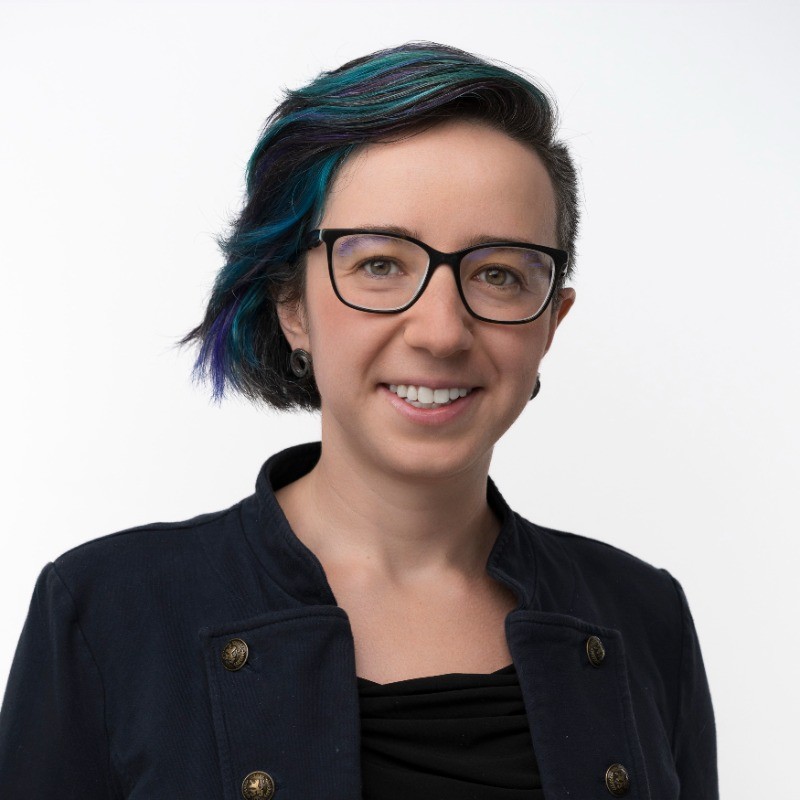
Polina Binder
ML Engineering
Senior Drug Discovery AI Engineer, Research Scientist, Biotech background. MIT.
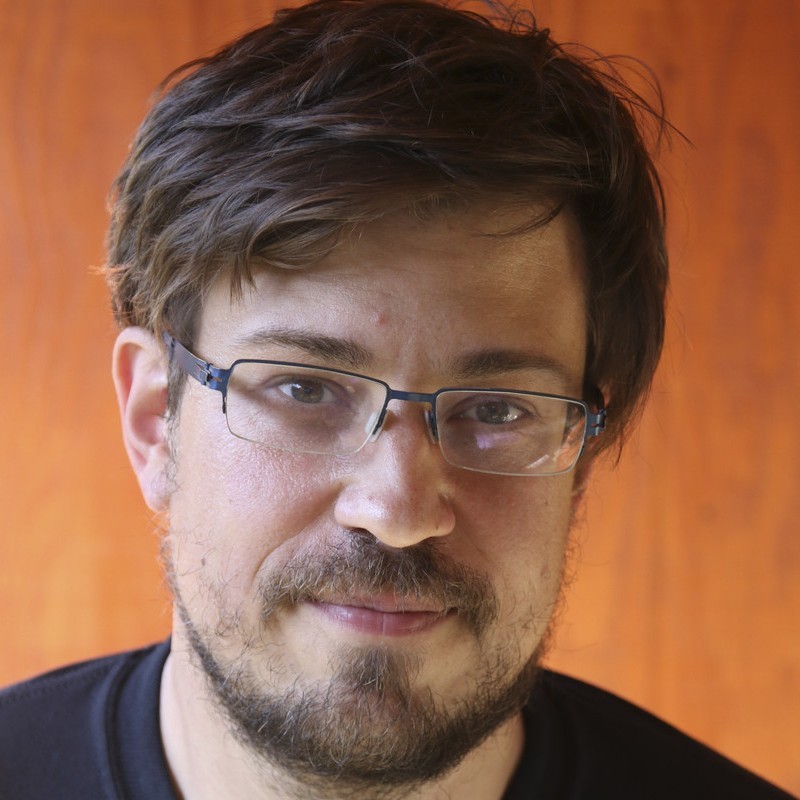
Shaun Geer
Pathology, Medical Epistemology
Former biomedical researcher at Mass General Hospital and Los Alamos. Cornell.

Eli Sakov
Engineering & Partnerships
Current patient. Ex-AI Engineer, serial entrepreneur, healthcare hacker. RPI.
Where we are
- Looking for partners
- Seeking microgrants
- Validating our scientific approach
- Working on predicting clinical trials
PatientPunk was built at the Human Enhancement Hackathon, organized by Biopunk Lab, a San Francisco community biology space focused on democratizing access to biotechnology. It placed first for its approach to turning patient-generated data into structured research.
The codebase is open source. If you are a researcher, clinician, or community organizer working on conditions underserved by clinical research, we would like to hear from you.
github.com/Ely-S/PatientPunk